Common Commercial Tenant Improvements Projects to Consider

Realize the potential of your business space with commercial tenant improvements (TI). From aesthetic upgrades to functional transformations, TIs tailor properties to meet specific tenant needs. Explore common projects, learn industry-specific upgrades, and discover how strategic improvements can enhance your commercial space.

The Main Benefits of Tenant Improvements for Commercial Properties

There are several key benefits of commercial tenant improvements that business owners find attractive, including:

  • Customize the space: TIs allow tenants to tailor the area to fit their business needs.
  • Increase efficiency: Upgrades like improved lighting or optimized layouts can improve workflows.
  • Enhanced experience: TIs allow companies to shape how customers experience their business.
  • Cost savings: Some upgrades, like energy-efficient systems, may save on utility costs.

For property owners, investing in TIs helps attract and retain quality tenants who are invested in the space long-term.

What Are the Most Common Commercial Tenant Improvement Projects?

When looking to customize a commercial space, some of the most popular tenant improvements include:

Defining Space Layout

Customizing the floor plan layout is one of the most common tenant improvements. Optimizing design maximizes usable square footage to suit business needs. Open-concept spaces allow versatility, while enclosed offices provide quiet. Workstation sizes can be adjusted based on team structure—proximity to amenities balances collaborative ease and minimizes distractions.

Careful space planning reduces wasted “dead zones” while facilitating workflows.

  • Moving or adding walls/partitions
  • Modifying entrances and exits
  • Changing office, conference room, lobby sizes
  • Defining zones for retail, production, storage, etc.

Flooring and Ceiling Improvements

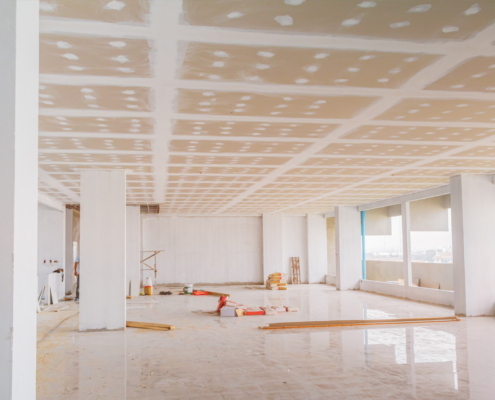
In addition to layout changes, upgrading flooring and ceilings is another crucial way to customize commercial spaces. This helps update the appearance of a room. Common projects include:

  • Installing wood, tile, or carpeted floors
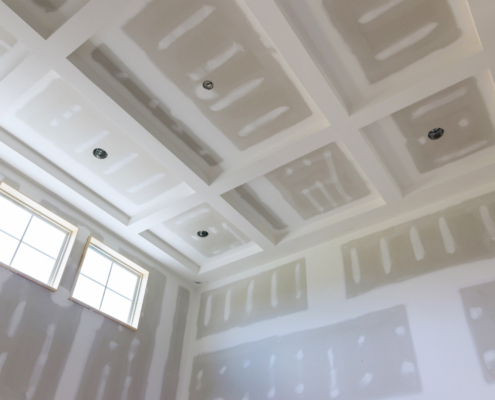
  • Adding suspended ceiling systems
  • Refinishing damaged concrete floors
  • Enhancing accessibility with ramps

These touches provide durability while allowing companies to add signature branding elements through choices of colors and materials.

Energy Efficiency Upgrades

Many companies invest in energy-focused tenant improvements like LED lighting, added insulation, HVAC upgrades, and Low-E windows. Smart climate control systems provide zoned adjustments, optimizing comfort and efficiency. High-efficiency boilers and water heaters also substantially cut energy usage. Typical efficiency upgrades standard in commercial tenant improvements include:

  • LED lighting systems
  • Added insulation
  • Smart climate control systems
  • Energy-efficient windows and doors

Bathroom Upgrades

Bathroom upgrades are another important tenant improvement consideration for many commercial spaces. For office spaces, service industries, and more, bathrooms significantly affect tenant comfort and satisfaction. Typical bathroom tenant improvements involve:

  • New sinks, toilets, and flooring
  • Installation of partitions and lighting
  • Upgraded amenities like paper products or hand dryers

These renovations help provide a clean, comfortable environment and a positive impression for employees and guests.

HVAC System Improvements

Properly functioning HVAC systems are critical for commercial spaces. Tenant improvements optimize temperature, air quality, humidity, ventilation for the intended use, and occupant load. Upgrading older units provides increased efficiency and reliability. Improved climate zone control reduces hot/cold spots. Enhanced filtration improves indoor air quality. Expanded capacity accommodates high-density open floor plans. Common improvements include:

  • Added air conditioning capacity
  • Ductwork cleaning or modifications
  • Control system upgrades for zoned climate adjustments

Improved Lighting Systems

Better lighting offers both aesthetic and functional benefits for commercial tenants. Strategic placement highlights architectural details, signage, and displays. Color temperature adjustments account for merchandise variations. Automated smart systems sync with HVAC and security systems while lowering energy consumption by up to 75%.

Working with an experienced, proven contractor is essential in getting the commercial tenant improvementservices you need. Explore SHF’s TI construction services to see how we can ensure your project is delivered on time and within budget.

Deciding Which Tenant Improvement to Consider for Your Industry

Let’s explore how commercial tenant improvements can benefit your specific industry:

Retail

Improve retail spaces with changes like flooring, lighting, layout adjustments, signage, and storage. Use tough polished concrete or luxury vinyl plank flooring for heavy traffic. Highlight high-margin areas with track lighting. Adapt layouts for seasons and inventory changes. Protect delicate items in secure, climate-controlled stockrooms. Attract foot traffic with exterior neon signage.

Retailers often prefer open layouts for better product visibility. Remove unnecessary walls or hallways and use modular displays. When considering improvements, think about the customer experience. Define product areas and create clear paths with wide aisles to make it easy for customers to navigate displays.

Commercial and Office Buildings

Improve commercial and office spaces by focusing on layout, lighting, flooring, accessibility, and common areas. Create collaborative breakout areas and huddle rooms for hybrid teamwork. Mothers’ rooms offer private spaces for working parents.

Efficient office layouts with collaboration spaces, private offices, conference rooms, and modular workstations maximize usability. Choose durable flooring like luxury vinyl tile or polished concrete. Upgrading to tunable LED lighting improves brightness and energy efficiency.

Warehousing

In warehouses, improving inventory flow is crucial. Remove unnecessary walls or hallways to simplify product movement. Upgrade to sturdy, seamless flooring like thick polished concrete for heavy equipment.

Improvements like security cameras, shelving systems, forklift charging stations, and exterior yards for material staging can benefit warehouses. Simple upgrades like energy-efficient LED lighting make spaces more comfortable for workers. Assessing current and future inventory volumes and material handling processes informs critical upgrades.

Bar and Restaurant

For bars and restaurants, common tenant projects include improving the kitchen and dining area. Commercial kitchens need proper ventilation, fire suppression, durable floors, and specialized equipment. Custom walk-in refrigeration keeps ingredients fresh. Dining areas benefit from attractive surfaces, comfortable seating, and ambient lighting.

Owners should align improvements with their concept, such as detailed bar build-outs for craft cocktail lounges. Patios and private dining rooms are popular. ADA compliance for spaces like host stands and restrooms are essential for restaurant improvements.

Entertainment

Entertainment venues, such as theaters or music halls, have specific improvements. These include tiered seating for optimal sight lines, acoustic treatments, advanced sound systems, lighting for performances, digital video capabilities, and large projection screens.

Backstage upgrades include dressing rooms, green rooms, costume and equipment shops, and adaptable scene shops for live productions.

Education

Educational facilities need specific commercial tenant improvements for students. STEM labs require water, gas, ventilation, safety equipment, and durable surfaces for hands-on exploration. Libraries balance books with digital resources, media stations, and collaborative spaces. Shared areas like auditoriums, dining halls, and dormitories often see improvements for a better campus community.

Creating durable, soundproof spaces for dynamic learning is common. Classrooms benefit from power and USB access, AV capabilities, writable walls, flexible furniture for collaboration, and tools for academic success.

Medical

The medical industry has specific requirements for commercial spaces, focusing on patient health, safety, cleanliness, and efficient layouts. Expected improvements include:

  • Installing vinyl antimicrobial flooring.
  • Upgrading to hypoallergenic ceiling tiles.
  • Improving lighting.
  • Remodeling bathrooms for wheelchair access.
  • Creating separate patient and staff zones.

Medical practices should also consider HVAC upgrades for better air quality and integrating technology like digital check-in kiosks and telehealth capabilities to streamline operations. However, budgeting for medical improvements should consider specialized construction needs to meet health codes and accessibility regulations, potentially increasing project costs compared to standard commercial builds.

Government/Municipal

Government and municipal organizations, with their public-facing operations, have distinct needs that prioritize civic engagement, accessibility, durability, and security. Common improvements involve remodeling bathrooms and entrances for ADA compliance, expanding waiting and meeting areas, adding service counters and interview rooms, upgrading to durable, soundproof flooring, and installing securely monitored entry points.

Sustainability is crucial, and publicly-funded projects aim for maximum energy efficiency through upgrades like LED lighting, high-efficiency HVAC systems, and low-flow plumbing. Centralized municipal offices benefit from communal break rooms and multi-department training spaces for collaboration, with proper acoustic treatment essential for open floor plans.

Turn to SHF, Las Vegas’ Premier Commercial Tenant Improvement Contractor

For the past decade, SHF has worked with Las Vegas area businesses across many sectors to improve their spaces to better fit their needs and improve customer experiences. We prioritize timely services, the use of innovative technology, and delivering projects on time and within budget. Contact us today to discuss your upcoming commercial tenant improvement project and see how we can help.

More Like This

The Pros and Cons of the Construction Manager at Risk Delivery Approach

The Pros and Cons of the Construction Manager at Risk Delivery Approach

Explore the pros and cons of Construction Manager at Risk project delivery and learn how it's used across various industries and project types.
Embracing Innovation: Key Trends in Commercial Construction Technology

Embracing Innovation: Key Trends in Commercial Construction Technology

 Explore critical trends in commercial construction technology and learn how to integrate cutting-edge innovations for efficient, sustainable building projects.
Your Comprehensive Commercial Tenant Improvement Guide

Your Comprehensive Commercial Tenant Improvement Guide

Want to learn how to optimize a business space? Explore our comprehensive guide to find out how a commercial tenant improvement can.
Discover the Importance and Benefits of Commercial Remodel Projects

Discover the Importance and Benefits of Commercial Remodel Projects

Discover the importance and benefits of commercial remodels, from boosting customer satisfaction to enhancing property value.
What to Consider When Hiring a Commercial Remodeling Contractor in Arizona

What to Consider When Hiring a Commercial Remodeling Contractor in Arizona

Gain a better understanding of a contractor's role and tips for choosing the ideal commercial remodeling contractor for your project.

6 Common Hotel Remodeling Challenges to Anticipate

Explore some of the most common hotel remodeling challenges you’re likely to face and how to overcome these obstacles for a seamless renovation.

Factors to Consider When Planning a Southwest Hotel Renovation

Discover the multitude of factors to consider when undergoing a hotel renovation to ensure your construction project is completed seamlessly.
Common Commercial Tenant Improvements Projects to Consider

Common Commercial Tenant Improvements Projects to Consider

This article offers valuable insights into common commercial tenant improvement projects, industry-specific solutions, and their benefits.
Follow These Remodel Orders of Operation to Avoid Business Disruptions

Follow These Remodel Orders of Operation to Avoid Business Disruptions

This article gives helpful tips on developing a remodel order of operations that ensures your commercial project causes minimal business disruption.