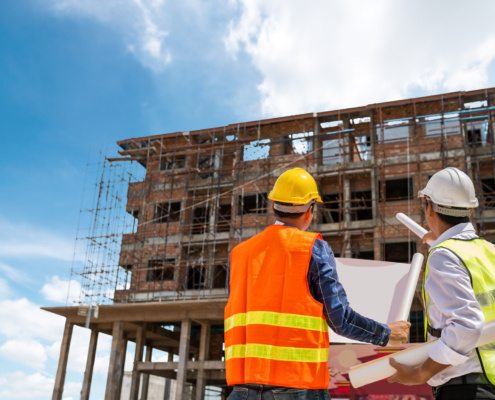
What Do Contractors Do? Discover the Significant Role They Play in Commercial Construction

If you’ve ever needed or considered any type of commercial constructionwork, you’ve likely heard of a general contractor. But you may still ask yourself, “What do contractors do?” This article details the services they provide and how contractors contribute to the success of commercial construction projects.
Understanding the Answer to What Do Contractors Do?

Think of general contractors as the stars in any commercial construction project, whether small or large scale. They coordinate and manage all construction activities. A General Contractor (GC) has unique skills, handling everything from initial project estimates to bidding with subcontractors.

GCs play a crucial role in tasks like finding specialists, obtaining necessary permits, providing essential equipment, and securing a qualified labor force. They also make sure all workers collaborate well and that the project runs smoothly.

Basic Duties and Responsibilities of a Contractor

Contractors have diverse responsibilities, making their role in construction indispensable. Here are some of their primary duties for each part of the project:

  • Planning and supervising construction tasks from start to finish, including site development, preliminary drawings, and final inspections.
  • Obtaining necessary legal documents like permits and licenses.
  • Managing project budgets and schedules.
  • Hiring people to complete the job and overseeing the bidding process.
  • Maintaining high quality of work and safety standards on the job site.
  • Communicating information to stakeholders and addressing concerns promptly.

Every duty a GC takes is crucial in turning construction site plans into actual structures. Their ability to handle various tasks makes them essential in any building project.

The Importance of Hiring a Contractor

Hiring a GC brings many benefits to a commercial construction project. With their experience, they provide reliable legal advice, ensure adherence to building codes, and secure crucial legal documents for construction projects. This reduces the risk of future issues and penalties.

They also understand the industry well, leveraging their knowledge to negotiate better prices and overcome challenges. Real estate developers can significantly benefit from the services of an experienced contractor.

Are you interested in learning vital tips on choosing a general contractorfor your next project?

The Significance of Contractors in Commercial Construction

Contractors play a central role in commercial construction, contributing to every stage of the process, from planning to risk management and milestone-setting. Their ability to navigate complex aspects makes them essential for real estate developers.

Contractors and Project Planning

In the early phases of a commercial construction project, GCs work with architects and engineers to develop a detailed site plan. This plan aligns with the project owner’s objectives and budget restrictions.

GCs also understand technical documents, enabling them to provide accurate project estimates. This understanding helps create realistic expectations within the project team.

Risk Management in Commercial Construction

Commercial projects have inherent risks, such as safety concerns, financial uncertainties, and compliance issues. Contractors are responsible for effectively mitigating these risks by developing comprehensive strategies.

For example, they ensure site safety through training and measures like wearing protective equipment. They also manage financial risks by sticking to the budget and conducting frequent audits.

Milestones and Timelines – Execution of Work by Contractors

A timeline with clear milestones is crucial for any commercial construction project. Contractors play a key role in setting these milestones and ensuring their successful completion. This ensures the project stays on course and within the specified timeframe.

Hiring and Coordinating Subcontractors

GCs are responsible for hiring and coordinating subcontractors who perform specialty tasks. With their networks, GCs can source the ones who deliver on quality, timelines, and budget. They ensure everyone understands their role and stays committed to project timelines and quality expectations.

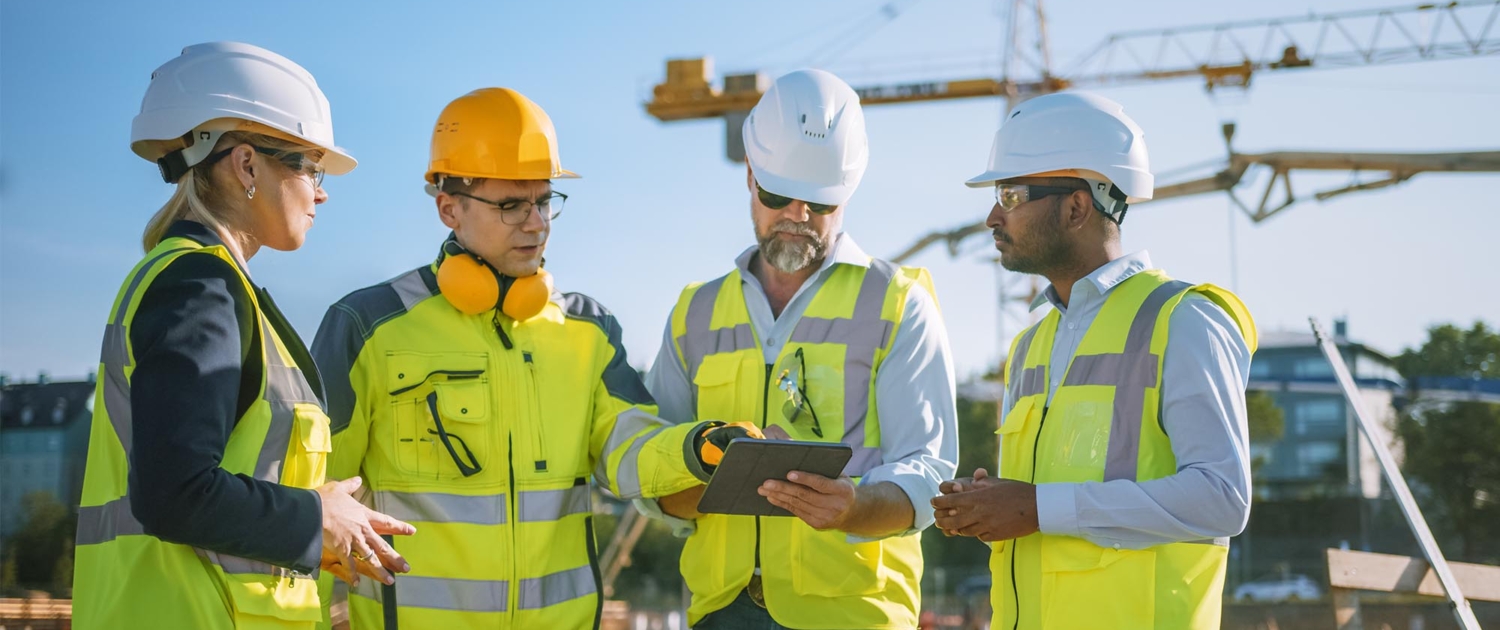
Front view of four construction workers

Contractors Are Tasked With Handling Legal Aspects

So, what do contractors do iIn the early phases of a commercial construction project? Understanding the legalities of a construction project is crucial for contractors. This involves contracting, licensing permits, and managing liability and insurance. Before starting any construction project, GCs obtain all necessary legal documents and licenses.

Contracting Licensing and Permits

Before starting operations, contractors need the necessary contracting licenses and site plan permits. Contractors manage the bidding process to finalize these permits and licenses. They also guide clients through this process, providing legal advice and navigating regulatory landscapes to prevent delays or cost overruns.

Contractor’s Liability and Insurance

Contractors manage liability and insurance matters to handle risks in construction. They carry liability insurance and workers’ compensation insurance. This safeguards clients and the construction team from potential damages or injuries.

The Benefits of Hiring a General Contractor for Commercial Projects

Commercial construction projects are complex, requiring planning, scheduling, quality control, accurate records, and site safety coordination. What do contractors do that makes them worth hiring for a project? GCs provide benefits like experience, a varied skill set, detailed knowledge of building codes, and a single point of contact throughout the project.

Types of Projects that Benefit From a General Contractor’s Expertise

Specific types of commercial projects especially benefit from their experience, including new builds, remodels/renovations, and tenant improvements.

New Builds

Entrusting a GC with new builds, like ground-up and tilt-up jobs, ensures effective management and direction of construction processes. From site preparation to obtaining occupancy permits, GCs provide project success.

Remodels/Renovations

GCs are well-suited for remodeling or renovation projects, coordinating multiple tasks and paying attention to detail. When the time comes to revamp your space, a quality contractor can identify potential issues, provide solutions, and ensure projects stay on time and budget.

Tenant Improvements

Improving a leased property demands careful planning, making a GC key to tenant improvement projects. They handle all aspects, from obtaining permits to coordinating with property owners or managers, ensuring minimal disruptions and conformity to building codes.

Ensure Flawless Execution Delivered on Time and on Budget With SHF

Since 2014, we’ve been the contractor of choice for businesses throughout Las Vegas and beyond. Our commitment to open communication, innovative technology, proven track record, and building long-term relationships sets us apart from the competition. Contact SHF today to discuss your upcoming project and learn how we can flawlessly deliver your project on time and budget.

More Like This

Commercial Construction: Key Considerations and Challenges

, ,
The commercial construction industry is known for its complexity, requiring a unique combination of project management, strategic planning, and adaptability. When you embark on a commercial build, whether it is a new retail center, a warehouse,…

General Contractor vs. Construction Manager

, ,
When planning a construction project, one of the most important decisions you will make is choosing the right professional to lead your build. Often, two main roles are considered: general contractor and construction manager. Although they may…

6 Mistakes When Hiring a Commercial General Contractor

, ,
Hiring a commercial general contractor for your construction or renovation project can shape the entire experience, from schedule and cost to overall satisfaction. Choosing the right team is essential, but many property owners and facility managers…
The Pros and Cons of the Construction Manager at Risk Delivery Approach

The Pros and Cons of the Construction Manager at Risk Delivery Approach

Explore the pros and cons of Construction Manager at Risk project delivery and learn how it's used across various industries and project types.
Embracing Innovation: Key Trends in Commercial Construction Technology

Embracing Innovation: Key Trends in Commercial Construction Technology

 Explore critical trends in commercial construction technology and learn how to integrate cutting-edge innovations for efficient, sustainable building projects.
Your Comprehensive Commercial Tenant Improvement Guide

Your Comprehensive Commercial Tenant Improvement Guide

Want to learn how to optimize a business space? Explore our comprehensive guide to find out how a commercial tenant improvement can.
Discover the Importance and Benefits of Commercial Remodel Projects

Discover the Importance and Benefits of Commercial Remodel Projects

Discover the importance and benefits of commercial remodels, from boosting customer satisfaction to enhancing property value.
Understanding Construction Permits: How They Work and Why They're Critical

Understanding Construction Permits: How They Work and Why They’re Critical

 Discover all you need to know about construction permits, from what they are to the contractor's role in applications and approvals.
What to Consider When Hiring a Commercial Remodeling Contractor in Arizona

What to Consider When Hiring a Commercial Remodeling Contractor in Arizona

Gain a better understanding of a contractor's role and tips for choosing the ideal commercial remodeling contractor for your project.