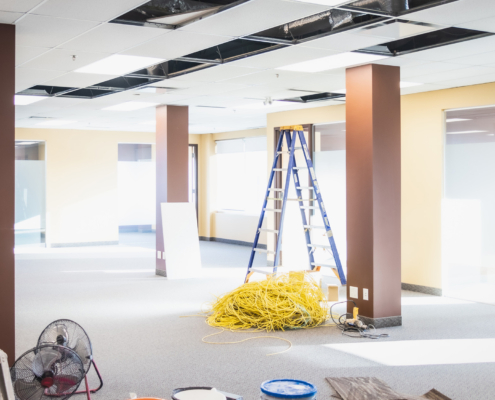
Follow These Remodel Orders of Operation to Avoid Business Disruptions

 Business renovation can significantly enhance the look and feel of a commercial property, boosting brand image, employee morale, client impression, and, ultimately, business profitability. However, unless handled strategically, it can also cause business disruptions, leading to lost revenues, decreased productivity, and even damaged reputation. Understanding and implementing a logical, need-based remodel order of operations becomes critical in mitigating such risks. This guide provides business owners with tested and proven commercial remodel order of operations to coordinate the various elements involved in a project, ensuring minimal disruptions while maximizing returns on investments.


Understanding the Importance of Commercial Renovation Order of Operations

For many businesses, remodeling commercial properties offers opportunities for improvement, reinvention, and positive change. However, without a keen understanding of the business space renovation order of operations, what should be a smooth transition can quickly become a chaotic endeavor with potential operational disruptions.

The commercial renovation order of operations is a strategic plan detailing the remodeling tasks that need to be carried out. This order is essential in remodeling projects, whether it’s about site prep, technical storage renovation, or a major remodeling project like a workspace redesign.

Having a clear plan and following the correct order ensures business operation continuity, productivity, and achieving the end goal efficiently.

Impact of Disruptions on Business Performance

Imagine mid-way through your bathroom remodeling project, you discover plumbing issues that grind the project to a halt. During the downtime, bathrooms are inaccessible, causing inconvenience and possible discontent among employees. This captures the potential impact of disruptions on business performance during a remodeling project.

Disruptions from a poorly planned remodeling project can minimize productivity, generate unexpected expenses, and tarnish your business reputation. The ability of a business to function optimally relies heavily on how seamlessly it can maintain its operations despite the ongoing renovation. Hence, reducing disruption is an ultimate priority in understanding and executing the order of operations in commercial remodeling.

Benefits of Creating an Effective Remodel Order of Operations

Establishing an effective remodel order for commercial properties not only mitigates business disruptions but brings a host of other benefits, including:

  • Efficient allocation and utilization of resources.
  • Saves time by preventing rework and promoting task efficiencies.
  • Avoid minor and major mistakes that could escalate cost and time.
  • Provides clarity and a clear roadmap to all involved, including the commercial remodeling contractors and building designers.

 The key to any commercial building construction project is working with an experienced and knowledgeable contractor. Discover how SHF uses our expertise to ensure a smooth process when remodeling commercial properties.

Steps to Execute the Remodel Orders of Operation Effectively

By now, you’re seeing the value of having a well-ordered plan for your business space renovation order of operations. So, let’s dive straight into how to execute your remodel orders of operations effectively.

Create a Detailed Remodeling Plan

A detailed remodeling plan is the cornerstone of any successful major remodeling project. Like a blueprint used by building designers, your remodeling plan will guide the progression of your project from the site prep to the final finishes.

When creating your plan, consider the specific needs of your company. For instance, if your business requires a massive amount of technical storage, you might need to allocate more resources to improve IT infrastructure. Similarly, if you operate in a heavy-foot-traffic area, including a comfortable and stylish lobby in your plan could be of significant value.

Remember, a good plan anticipates potential obstacles. For instance, should you schedule bathroom remodeling in an office building, your goal should include alternatives to ensure your employees’ comfort and ease of operation.

Scheduling and Sequencing Tasks for Minimal Disruption

After laying down a comprehensive plan, the next step in executing the remodel orders of operations is to schedule and sequence tasks to minimize business disruptions. Coordinating your activities logically could be the difference between a streamlined renovation process and a chaotic, disruptive mess.

For instance, all the messy jobs like demolition and electrical rewiring should be done first, before the more delicate tasks like painting and installing window fixtures. Similarly, prioritize functions that impact your operations the least during your busiest days.

Maintaining Business Operability During Remodeling

Maintaining operational efficiency during a remodeling project can be challenging. But, if handled correctly, the remodeling project should cause minimal interference with your daily operations.

Keep communication lines open with all stakeholders, ensuring they know the schedule and possible inconveniences. Use temporary walls or screens to separate construction areas from operational ones, reducing noise and dust. Remember, a little creativity can go a long way in ensuring your business runs smoothly as the remodeling occurs.

Identifying the Key Elements in Renovation Orders of Operation

An effective renovation order of operations significantly relies on three core elements: conducting an extensive business operation review, task prioritization, and effective resource allocation.

Conducting a Comprehensive Business Operation Review

A comprehensive review of your business operation is the first step to setting up an effective remodel order. This review allows you to understand your business’s current operations and needs. The data obtained from this review forms the basis for planning an optimal remodeling project.

For instance, examining your current technical storage could reveal that it’s not fit for purpose, and a remodel would drastically improve operations. The review also helps identify crucial operations that must remain active during the remodel, helping contractors design a more suitable execution plan.

Prioritizing Remodeling Tasks Based on Business Needs

The needs of a business determine the remodeling task priorities. Following the business operation review, projects are categorized based on priority. High-priority tasks directly impact critical business operations and are usually placed at the forefront of the remodel order.

It is essential to schedule such tasks when disruption to business operations is at its lowest. For instance, if your business operates less intensively on weekends, planning the start of a major remodeling project, such as an educational area, working over a weekend would minimize disruption.

Things to Consider Before You Remodel Commercial Properties

Before kicking off your remodeling project, you need to consider a few critical factors. It’s not just about choosing your commercial remodeling contractors or suitable designs; successful remodeling requires a holistic approach. Let’s delve into a few things that should be on your mind before embarking on your remodeling journey.

Selecting a Commercial Remodeling Contractor

The success of your remodeling project is as good as the commercial remodeling contractors you hire. Selecting the right team is crucial. Consider their experience in dealing with businesses similar to yours, and check their licensing and insurance, as well as reviews or case studies from past clients. Always remember that the cheapest option may not necessarily be the best.

Industry-Specific Safety Precautions

Remodeling projects could expose your employees and clients to new safety risks. It’s essential to observe industry-specific remodel safety precautions throughout the entire process. For instance, in the restaurant business, you should ensure kitchen areas are free from construction materials to avoid contamination.

Aligning All Stakeholders

The phrase ‘too many cooks spoil the broth’ applies to remodeling projects. It’s essential to align all stakeholders, from the business owner and employees to the construction team. Everyone should understand the vision of the project, the time frame, and their specific roles in bringing that vision to fruition. Consider running regular team meetings to keep everyone on the same page.

Assigning Construction Zones

One often overlooked aspect of remodeling is the assignment of construction zones. Segregating construction zones from operational areas can dramatically minimize disruptions to business activities and maintain a safe environment for workers and clients.

Choose SHF as Your Commercial Remodeling Contractor to Avoid Disruptions

SHF has been the go-to contractor for Las Vegas area commercial remodeling projects for the past decade. Our efficient, well-thought-out remodeling process minimizes business disruptions. It ensures your office space, entertainment venue, warehouse, or any other commercial space is flawlessly executed on time and within budget. Contact us today to discuss your project and begin developing a remodel order of operations catered to your needs.

More Like This

Commercial Construction: Key Considerations and Challenges

, ,
The commercial construction industry is known for its complexity, requiring a unique combination of project management, strategic planning, and adaptability. When you embark on a commercial build, whether it is a new retail center, a warehouse,…

General Contractor vs. Construction Manager

, ,
When planning a construction project, one of the most important decisions you will make is choosing the right professional to lead your build. Often, two main roles are considered: general contractor and construction manager. Although they may…

6 Mistakes When Hiring a Commercial General Contractor

, ,
Hiring a commercial general contractor for your construction or renovation project can shape the entire experience, from schedule and cost to overall satisfaction. Choosing the right team is essential, but many property owners and facility managers…
The Pros and Cons of the Construction Manager at Risk Delivery Approach

The Pros and Cons of the Construction Manager at Risk Delivery Approach

Explore the pros and cons of Construction Manager at Risk project delivery and learn how it's used across various industries and project types.
Embracing Innovation: Key Trends in Commercial Construction Technology

Embracing Innovation: Key Trends in Commercial Construction Technology

 Explore critical trends in commercial construction technology and learn how to integrate cutting-edge innovations for efficient, sustainable building projects.
Your Comprehensive Commercial Tenant Improvement Guide

Your Comprehensive Commercial Tenant Improvement Guide

Want to learn how to optimize a business space? Explore our comprehensive guide to find out how a commercial tenant improvement can.
Discover the Importance and Benefits of Commercial Remodel Projects

Discover the Importance and Benefits of Commercial Remodel Projects

Discover the importance and benefits of commercial remodels, from boosting customer satisfaction to enhancing property value.
Understanding Construction Permits: How They Work and Why They're Critical

Understanding Construction Permits: How They Work and Why They’re Critical

 Discover all you need to know about construction permits, from what they are to the contractor's role in applications and approvals.
What to Consider When Hiring a Commercial Remodeling Contractor in Arizona

What to Consider When Hiring a Commercial Remodeling Contractor in Arizona

Gain a better understanding of a contractor's role and tips for choosing the ideal commercial remodeling contractor for your project.